Peachtree Corners Water Heater Maintenance: Prevent Costly Floods
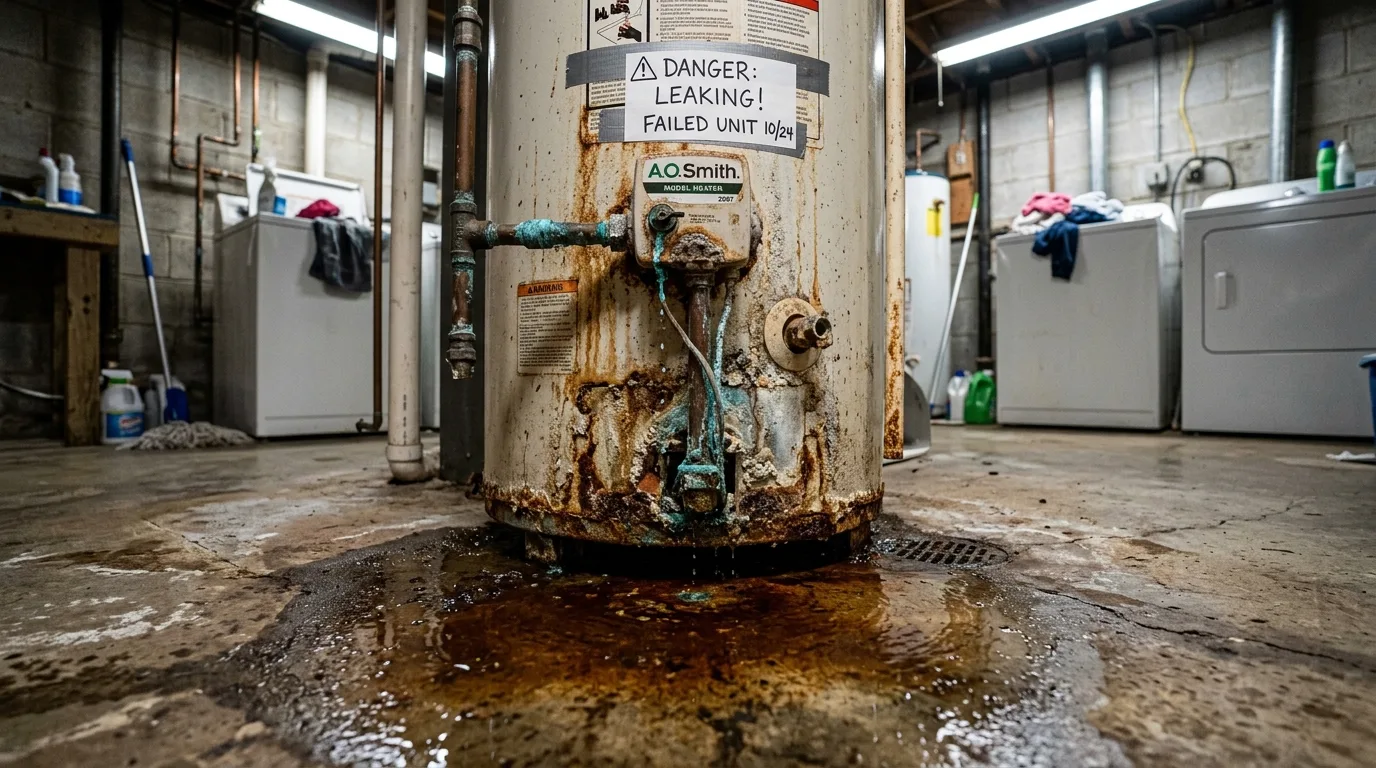
A failed water heater is one of the most avoidable and expensive water damage events in Peachtree Corners. A 50-gallon water heater tank that fails can release its entire volume into a garage, closet, or utility room before anyone notices — and when water from a tank failure reaches finished flooring, drywall, and adjacent rooms, the restoration bill climbs quickly. In this post, we cover the most common water heater failure modes in Gwinnett County homes, what maintenance reduces the risk, and what to do immediately if your water heater fails.
Water Heater Flood in Peachtree Corners?
24/7 emergency water extraction for appliance failure flooding across Gwinnett County. Call (877) 698-1311.
Why Water Heater Failures Are a Common Water Damage Source in Peachtree Corners
Peachtree Corners’ housing stock includes a large number of homes built in the 1980s and 1990s where the original water heaters have long since been replaced — but the replacement units installed 10–15 years ago are now approaching or past their service life. Standard residential tank water heaters have a design life of 8–12 years, and the oldest units in service today throughout neighborhoods like Peachtree Station and River Station are well past that threshold.
Two factors accelerate water heater failure in Gwinnett County. First, Peachtree Corners is served by relatively hard water — water with elevated mineral content that deposits scale inside water heater tanks and on heating elements over time. Scale buildup reduces efficiency and accelerates corrosion of the tank lining from inside. Second, the temperature fluctuations caused by Georgia’s seasons — tanks that sit in uninsulated garages experience significant ambient temperature swings — contribute to thermal stress in the tank and its fittings.
The Most Common Water Heater Failure Modes
Tank corrosion and rupture: The most catastrophic failure mode. Once the sacrificial anode rod inside a water heater is fully depleted, the tank itself begins to corrode. Corrosion progresses from pinhole leaks — which may go unnoticed for weeks under the tank — to full tank failure. A tank failure typically releases the full tank volume rapidly, and because many water heaters are located in garages or utility closets adjacent to living spaces, water extraction must begin immediately to prevent further damage.
Pressure relief valve (T&P valve) failure: The temperature and pressure relief valve is a safety device that opens to release water if the tank overheats or overpressures. When this valve fails in the open position — which it sometimes does in older units — water flows continuously until the valve is replaced or the water supply is shut off. This type of failure is often discovered when the homeowner notices a wet area near the discharge pipe.
Supply or discharge fitting leaks: The threaded fittings connecting supply and hot water pipes to the tank are common failure points, particularly in systems with dissimilar metal connections (steel nipples in an aluminum or brass fitting). These leaks develop slowly, often dripping for weeks before enough water accumulates to be noticed.
Sediment buildup and tank stress: In areas with hard water, sediment accumulates at the bottom of the tank over time. The heating element heats the sediment layer, creating localized high temperatures that stress the tank bottom and eventually cause failure. Popping or rumbling sounds during heating cycles are a common symptom of significant sediment accumulation.
Water Heater Flood Cleanup in Peachtree Corners
We handle appliance failure water damage across Gwinnett County — call (877) 698-1311 for immediate response.
Maintenance Steps That Reduce Water Heater Failure Risk
Annual anode rod inspection: The sacrificial anode rod should be inspected every 3–5 years and replaced when significantly depleted. This is the single most important maintenance step for extending tank life. A licensed plumber can perform this inspection and replacement during a routine visit.
Annual sediment flush: Connecting a garden hose to the tank drain valve and flushing 2–3 gallons removes accumulated sediment and reduces the risk of thermal stress failures. In Peachtree Corners’ hard water environment, annual flushing is more important than in softer water areas.
T&P valve test: The pressure relief valve should be tested annually by briefly lifting the test lever to confirm water flows freely. Valves that have never been tested often seize in the closed position, which is actually a safety hazard, or begin leaking slightly after being tested for the first time in years. Replacing an older T&P valve as a precaution is inexpensive insurance.
Water heater age check: If you don’t know the age of your water heater, find the serial number on the label and decode it using the manufacturer’s date code system — most manufacturers encode the year of manufacture in the first one or two characters of the serial number. Units 10 years old or older in Gwinnett County’s hard water environment should be considered for proactive replacement.
Drip pan and drain: Install a drip pan beneath the water heater with a drain line connected to a floor drain or outside discharge. Many insurance policies require drip pans for water heaters located in finished living spaces, and they provide a critical early warning — a small leak that collects in the pan alerts you before it becomes a tank failure event.
What to Do If Your Water Heater Fails
Shut off the water supply valve to the water heater immediately — it is typically a ball valve or gate valve directly above the tank. This stops water from continuing to flow into the failing tank. Turn off the power to an electric water heater at the breaker panel, or turn the gas valve to the pilot setting for a gas unit. Once the supply is off, call for professional water extraction.
Document with photos and video before extraction begins — your insurance claim documentation starts before any cleanup happens. Category 1 water (from a clean water supply tank) allows for the most favorable restoration outcomes, but only if extraction begins promptly. Water from a tank failure that has sat for more than 24 hours may have escalated to Category 2, particularly if it has contacted drywall or flooring materials.
Frequently Asked Questions
How much water damage can a failed water heater cause in Peachtree Corners?
A 50-gallon tank failure can cause $1,500–$6,000 in water damage restoration costs, depending on where the water went and how quickly it was discovered. A tank that fails slowly with a pinhole leak may cause less total damage than one that ruptures rapidly — but slow leaks that go undiscovered for days can exceed the cost of a sudden failure because the extended duration allows water to penetrate further into flooring assemblies and wall cavities.
Does homeowners’ insurance cover water heater flooding in Gwinnett County?
Most standard homeowners’ policies in Gwinnett County cover sudden and accidental water damage from a water heater failure. The water heater itself is typically not covered — only the resulting water damage. If the failure results from the homeowner’s failure to maintain a known problem (a leaking fitting the homeowner knew about and didn’t fix), coverage may be denied. Prompt maintenance and documentation of your water heater’s condition supports your claim position.
How long does water heater flood cleanup take in Peachtree Corners?
Water heater flood cleanup for a contained garage or utility area event typically takes 2–3 days for extraction and structural drying. If water has reached adjacent finished rooms — particularly if it has saturated flooring or penetrated wall cavities — the timeline extends to 3–5 days for extraction and drying, plus additional time for material replacement.
Water Heater Flooding in Peachtree Corners — We Respond Fast
Call (877) 698-1311 for 24/7 emergency water extraction after any appliance failure. All insurance carriers accepted, Gwinnett County wide.
Related: